
Clear Vision Starts Here: LASIK Eye Surgery
LASIK Eye Surgery with Jane E. Gilmore, M.D.
.png)
At our practice, your vision is in experienced hands. LASIK surgery is performed by Jane E. Gilmore,M.D. a skilled physician dedicated to helping patients achieve clearer vision with precision and care. Using advanced laser technology and a personalized approach, we’re committed to delivering safe, effective results you can trust.
What Is LASIK Eye Surgery?
LASIK (Laser-Assisted In Situ Keratomileusis) is a popular, FDA-approved vision correction procedure designed to reduce or eliminate the need for glasses or contact lenses. By reshaping the cornea—the clear front surface of the eye—LASIK helps light focus properly on the retina, resulting in clearer vision. It’s commonly used to treat nearsightedness, farsightedness, and astigmatism.
What Happens During the LASIK Procedure?
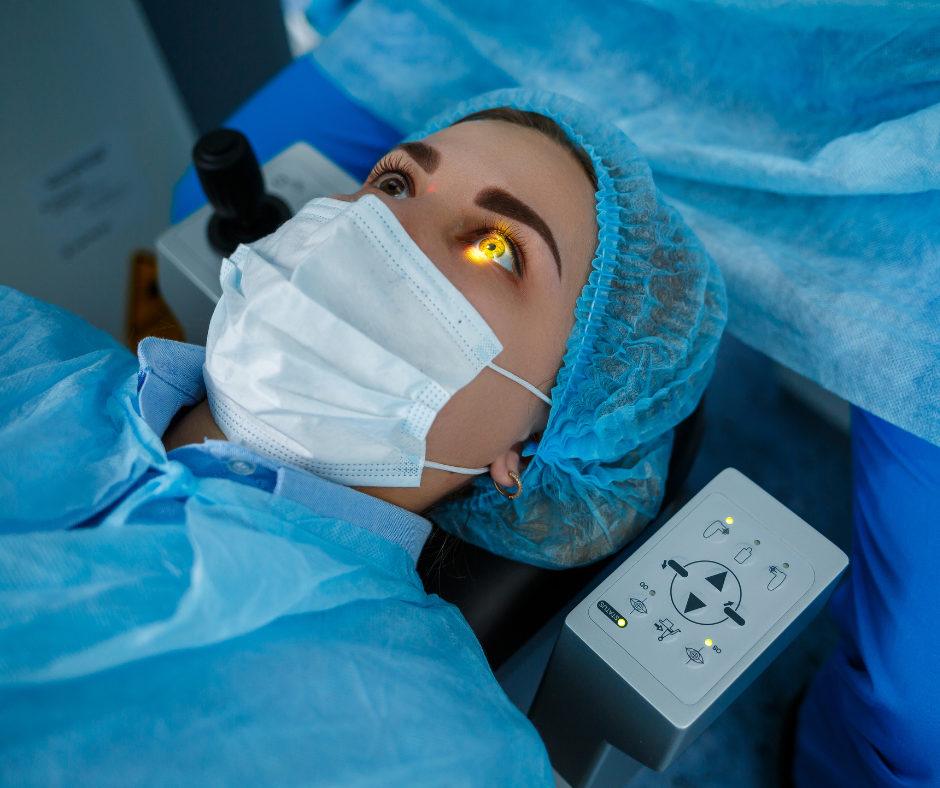
LASIK is a quick, outpatient procedure that typically takes about 15 minutes for both eyes. During the treatment:
- A thin flap is created on the surface of the cornea.
- A specialized laser gently reshapes the underlying corneal tissue.
- The flap is then repositioned, where it naturally heals without stitches.
Most patients notice improved vision almost immediately after the procedure.
Why Choose Laser Eye Surgery?
LASIK offers a range of life-changing benefits, including:
- Reduced dependence on glasses or contact lenses
- Quick and virtually painless procedure
- Fast recovery and minimal downtime
- Long-lasting vision correction for most patients
Am I a Good Candidate for LASIK?
LASIK is an excellent option for many people, but not everyone is a candidate. You may be a good fit if you:
- Are 18 years or older
- Have a stable vision prescription
- Have healthy eyes with no serious conditions
Are not pregnant or nursing
A comprehensive eye exam is the best way to determine
if LASIK is right for you.
Is LASIK Safe? What Are the Risks?
LASIK has been performed for decades and is widely considered safe and effective. Like any medical procedure, there are potential risks, but serious complications are rare. Some patients may experience temporary side effects such as dry eyes, glare, or halos at night, which typically improve over time.
Does LASIK Hurt?
LASIK is generally not painful. Numbing eye drops are used before the procedure to ensure comfort. You may feel slight pressure during treatment, but most patients report little to no discomfort. Mild irritation or dryness may occur afterward, but this usually resolves within a few days.
What Is the Recovery Time for LASIK?
Recovery from LASIK is typically fast. Many patients return to normal activities within 24–48 hours. Vision often improves within the first day, though it may take a few weeks for results to fully stabilize. Your doctor will provide detailed aftercare instructions to ensure optimal healing.
One of the biggest advantages of LASIK is how quickly most patients recover. While everyone heals a little differently, the overall recovery process is typically fast and smooth.
Immediately After Surgery
Right after your procedure, you may notice blurry vision, mild discomfort, tearing, or a gritty sensation in your eyes. These effects are normal and usually begin to improve within a few hours. Most patients are advised to rest or take a nap after their appointment.
First 24–48 Hours
Vision often improves significantly within the first day. Many people feel comfortable returning to work and normal daily activities within 24 to 48 hours, although it’s important to avoid rubbing your eyes and to follow all post-procedure instructions carefully.
First Week
During the first week, your vision may fluctuate slightly as your eyes continue to heal. You may also experience temporary dryness, sensitivity to light, or halos around lights at night. These symptoms are common and usually improve steadily.
First Month
By this point, most patients enjoy clear, stable vision. Any lingering side effects—such as dryness or nighttime glare—typically continue to fade. Your doctor may recommend lubricating eye drops to keep your eyes comfortable.
Long-Term Healing
While functional recovery is quick, your eyes can take a few months to fully stabilize. Follow-up visits are important to ensure proper healing and optimal results.